Discover the ultimate nutrition guide for healthy aging after 40 with science-backed food strategies to boost energy and longevity.
Turning 40 is a milestone — and so is the way your body begins to respond to what you eatThe nutrition strategies that kept you feeling strong and energized in your twenties may no longer be enoughThe good news? With the right dietary adjustments, you can not only maintain your health but genuinely thrive well into your later decadesThis guide breaks down exactly what changes after 40 and how to eat for lasting energy, resilience, and longevity.
Why Nutrition Changes After 40
Your body at 40 is a finely tuned machine — but it runs on slightly different settings than it did at 25Understanding the physiological shifts happening beneath the surface is the first step toward adapting your diet to work with your body, not against it.
Metabolism Slowdown
One of the most well-documented changes after 40 is a gradual decline in metabolic rateStarting in your mid-thirties, the body naturally begins to lose muscle mass — a process called sarcopenia — at a rate of roughly 3–8% per decadeSince muscle is metabolically active tissue, less of it means your body burns fewer calories at rest.
This doesn’t mean weight gain is inevitable, but it does mean that caloric awareness becomes more importantEmpty calories — those from ultra-processed foods, refined sugars, and alcohol — take up valuable nutritional real estate without delivering the vitamins, minerals, or fiber your body increasingly needsPrioritizing nutrient density over caloric volume is one of the most impactful shifts you can make in your forties.
Hormonal Shifts
Hormonal changes are another powerful driver of nutritional needs after 40In women, the approach of perimenopause brings declining estrogen levels, which affects bone density, fat distribution, mood, and cardiovascular healthIn men, testosterone levels begin a slow but steady decline, influencing muscle maintenance, energy levels, and metabolic function.
These shifts have direct dietary implicationsLower estrogen accelerates bone loss, making calcium and vitamin D more critical than everDeclining testosterone makes adequate protein intake essential for preserving lean muscleMeanwhile, both men and women become more susceptible to insulin resistance as they age, making blood sugar management — through fiber-rich, low-glycemic foods — a cornerstone of healthy aging nutrition.
Core Nutrition Principles for Aging Well
Once you understand why your nutritional needs change, the next step is building an eating framework that addresses those changes systematicallyTwo principles rise above all others in the science of aging well: consuming enough high-quality protein and maximizing micronutrient density in every meal.
Protein Intake Importance
Protein is arguably the single most important macronutrient for people over 40It is the raw material your body uses to build and repair muscle tissue, support immune function, produce hormones and enzymes, and maintain healthy skin and hair.
Current research suggests that older adults need more protein than younger adults — not less — to achieve the same muscle protein synthesis responseWhile general guidelines recommend around 0.8 grams of protein per kilogram of body weight daily, many nutrition scientists who specialize in aging advocate for 1.2 to 1.6 grams per kilogram for adults over 40, particularly those who are physically active.
Practical ways to increase protein intake include:
- Starting the day with eggs, Greek yogurt, or a protein-rich smoothie
- Including a high-quality protein source — chicken, fish, legumes, tofu, or lean beef — at every meal
- Spreading protein intake evenly across the day, rather than concentrating it at dinner, to maximize muscle synthesis
- Considering leucine-rich foods such as dairy, meat, and soy, as leucine is the amino acid most directly responsible for triggering muscle protein synthesis
Micronutrient Density
After 40, your body’s ability to absorb certain nutrients decreases even as its need for them increasesThis makes micronutrient density — the concentration of vitamins and minerals relative to calories — a critical consideration when planning meals.
Key micronutrients to prioritize include:
Calcium and Vitamin D — Essential for bone health as density naturally declinesAim for dairy products, fortified plant milks, leafy greens, and fatty fish, alongside safe sun exposure or supplementation for vitamin D.
Magnesium — Involved in over 300 enzymatic reactions, magnesium supports heart health, sleep quality, and blood sugar regulationDark chocolate, nuts, seeds, and leafy greens are excellent sources.
B Vitamins (especially B12 and folate) — Absorption of B12 from food declines with age due to reduced stomach acid productionIt plays a vital role in nerve function and red blood cell productionMeat, eggs, dairy, and fortified foods are key sources; many adults over 50 benefit from supplementation.
Potassium — Supports healthy blood pressure and heart functionFound abundantly in bananas, sweet potatoes, beans, and avocados.
Zinc and Iron — Critical for immune function and energy, respectivelyWomen approaching menopause may see iron needs shift, while zinc becomes increasingly important for immune resilience.
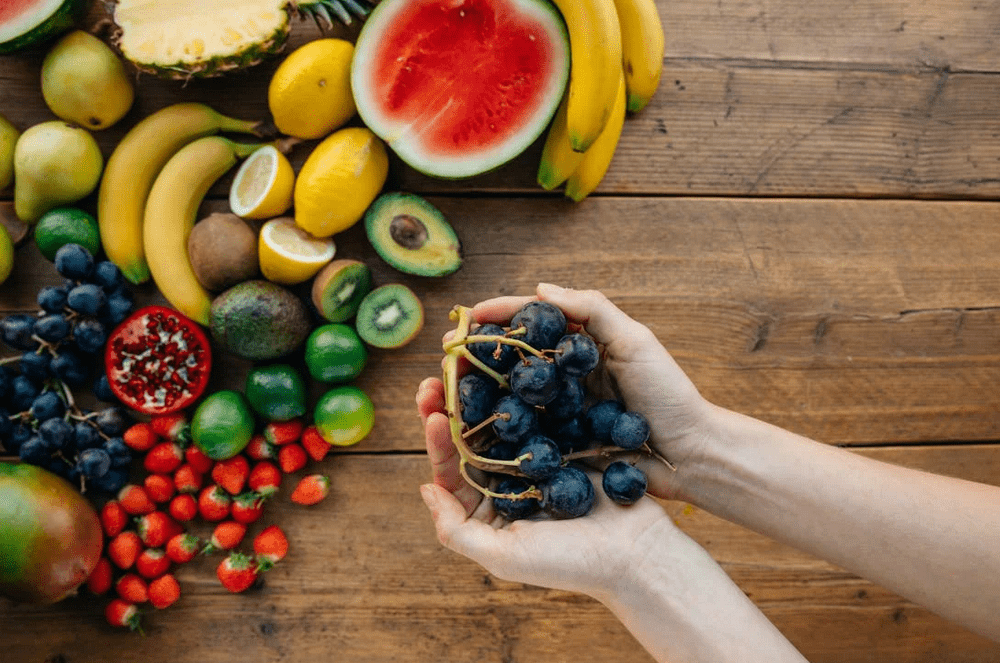
Eating a wide variety of whole, colorful foods is the most reliable strategy for hitting the full spectrum of micronutrients your body needs.
Best Foods for Longevity
The science of longevity consistently points to specific dietary patterns — not individual superfoods — as the drivers of a longer, healthier lifeTwo overarching frameworks stand out from the research: centering the diet on whole, minimally processed foods, and following an anti-inflammatory eating pattern.
Whole Foods
Whole foods are foods that remain close to their natural state — vegetables, fruits, whole grains, legumes, nuts, seeds, and unprocessed animal proteinsThey are rich in fiber, phytonutrients, antioxidants, and the full complement of vitamins and minerals that processed foods strip away.
The evidence linking whole food diets to longevity is substantialStudies of Blue Zone populations — regions of the world with the highest concentrations of centenarians, including Sardinia, Okinawa, and Ikaria — consistently show that their diets are built almost entirely around minimally processed plant foods, with modest amounts of animal protein and very little refined sugar or packaged food.
Practical whole food swaps to make after 40:
- Replace white rice and bread with whole grain alternatives (brown rice, quinoa, whole wheat sourdough)
- Swap processed snacks for nuts, seeds, and fresh fruit
- Choose whole legumes — lentils, chickpeas, black beans — over canned soups or processed meat as a protein base
- Cook from scratch as often as possible, using herbs and spices instead of packaged sauces loaded with sodium and sugar
Anti-Inflammatory Diet
Chronic low-grade inflammation is one of the central mechanisms driving age-related disease — from cardiovascular disease and type 2 diabetes to cognitive decline and joint deteriorationThis phenomenon, sometimes called “inflammaging,” makes an anti-inflammatory diet one of the most powerful tools available for healthy aging.
An anti-inflammatory diet is not a rigid protocol — it is a pattern of eating that consistently favors foods known to reduce inflammatory markers while minimizing those that provoke them.
Foods to emphasize:
- Fatty fish (salmon, mackerel, sardines, herring) — Rich in omega-3 fatty acids, which directly suppress inflammatory pathways in the bodyAim for two to three servings per week.
- Colorful vegetables and fruits — Especially berries, leafy greens, cruciferous vegetables (broccoli, cauliflower, Brussels sprouts), and tomatoesTheir antioxidants neutralize the free radicals that drive cellular aging.
- Extra virgin olive oil — A cornerstone of the Mediterranean diet, olive oil contains oleocanthal, a compound with anti-inflammatory properties comparable to low-dose ibuprofen.
- Turmeric and ginger — Curcumin in turmeric and gingerols in ginger are among the most studied natural anti-inflammatory compoundsUse liberally in cooking.
- Green tea — Rich in EGCG, a potent antioxidant associated with reduced inflammation and improved metabolic health.
- Nuts and seeds — Walnuts in particular are high in plant-based omega-3s; almonds, flaxseeds, and chia seeds offer additional anti-inflammatory benefits.
Foods to minimize:
- Refined carbohydrates (white bread, pastries, sugary cereals)
- Sugar-sweetened beverages
- Trans fats and heavily processed vegetable oils (found in many packaged snacks and fast foods)
- Excess red and processed meat
- Alcohol (more than one to two drinks per day)
The Mediterranean and MIND diets are two well-researched dietary frameworks built on anti-inflammatory principles, and both have strong associations with reduced risk of heart disease, cognitive decline, and all-cause mortality in older adults.
Putting It All Together
Healthy aging through nutrition is not about perfection — it is about consistent, evidence-based choices made over timeAfter 40, those choices carry more weight than ever beforeA diet rich in protein, dense in micronutrients, built around whole foods, and anchored in anti-inflammatory principles gives your body the resources it needs to maintain muscle, protect its cells, balance hormones, and sustain energy well into your later years.
Start with one change at a timeAdd an extra serving of vegetables to dinnerSwap a processed snack for a handful of walnutsReach for salmon instead of deli meatSmall, sustainable shifts compound into a profoundly different long-term health trajectory — and the best time to begin is right now.
Healthy aging after 40 is not about restrictive diets or chasing perfectionThe right nutrition habits can support your energy, metabolism, hormones, and long-term well-being in a realistic and sustainable way.
You might like :
- Midlife Stress Relief Guide: Breathing Exercises, Healthy Eating, and Sleep Hygiene That Work
- Nutrition & Healthy Aging:The Essential Playbook for Women Over 40
- What Causes “Chronic Fatigue” That Begins in Middle Age?
- The Ultimate Nutrition Guide for Healthy Aging After 40
- Career Change at 45 With No Experience? Read This
- The Midlife Reset Guide: Reinvent Yourself After 40 Without Starting From Zero