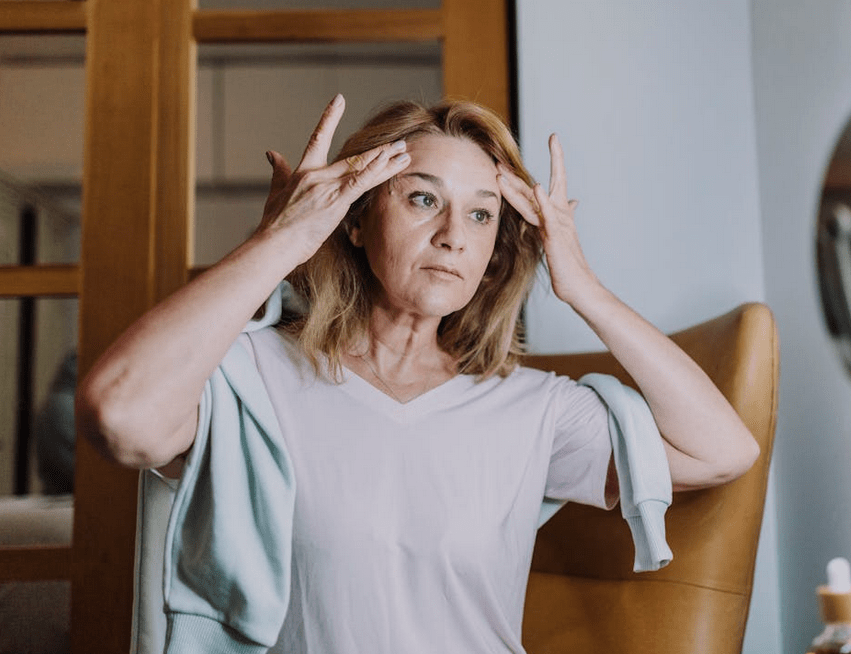
① The Morning She Didn’t Recognize Herself
Sarah was 43 when she first noticed something was offNot dramatically — not the kind of off that sends you rushing to the emergency roomMore like a slow, creeping fog that settled over everything she used to do effortlessly.
She woke up exhausted even after eight hours of sleepHer jeans fit differently, though she hadn’t changed her dietShe’d snap at her kids over small things and then cry quietly in the bathroom, confused about why she felt so unlike herselfHer nights were interrupted by sudden waves of heat that left her sheets damp and her heart racing.
“I thought I was falling apart,” she told her sister“Or maybe just getting old.”
She wasn’t falling apartAnd she wasn’t simply agingWhat Sarah was experiencing had a name — and millions of women over 40 are living with the same quiet confusion, often for years before anyone connects the dots.
Hormonal imbalance.
“I thought I was just tiredI didn’t realize my body had been sending me signals for over a year.”
② The Problem No One Talks About Enough
After 40, a woman’s body begins a significant hormonal transitionEstrogen, progesterone, testosterone, cortisol, thyroid hormones — these chemical messengers that have quietly regulated everything from mood to metabolism begin to shiftFor many women, this transition happens gradually over years, making it easy to dismiss each symptom as stress, age, or just “life.”
The challenge is that hormonal imbalance rarely announces itself with a single, obvious symptomInstead, it shows up as a cluster of changes — some physical, some emotional, some cognitive — that seem unrelated on the surface but are deeply connected underneath.
Here are the most telling signs to watch for:
Sleep disruption Waking at 2–4am, night sweats, restless legs
Hot flashes Sudden heat waves, flushing, rapid heartbeat
Mood changes Anxiety, irritability, unexplained sadness
Brain fog Memory lapses, difficulty concentrating
Weight gain Especially around the midsection
Low libido Reduced desire, vaginal dryness, discomfort
Fatigue Tired regardless of rest, afternoon crashes
Hair & skin changes Thinning hair, dryness, adult acne
These symptoms don’t always arrive together, and they don’t always look the same in every womanSome experience perimenopause beginning in their late 30s; others don’t notice significant changes until their mid-40s or 50sThyroid imbalances, adrenal dysfunction, and insulin resistance can compound the picture further.
What matters most is this: these are not signs of weakness, and they are not inevitable sufferingThey are signals from a body that is asking for attention and support.
Are these symptoms showing up in your life?
You’re not imagining itMany women spend years attributing these signs to stress or “just getting older.” The first step is simply recognizing the pattern — and knowing you don’t have to navigate it alone.
Help me understand my symptoms
③ The Shift: From Surviving to Understanding
Here’s the cognitive shift that changes everything: your symptoms are not the enemyThey are information.
When estrogen begins to decline, it doesn’t just affect your reproductive systemEstrogen receptors exist throughout your brain, cardiovascular system, bones, and skinLower estrogen can impair serotonin production — which explains the mood shiftsIt affects body temperature regulation — which explains the hot flashesIt influences how your body stores fat — which explains the midsection changes.
Progesterone, often called the “calming hormone,” drops in parallelWithout enough progesterone, sleep becomes fractured, anxiety rises, and the nervous system loses some of its natural buffer against stress.
Cortisol — the body’s primary stress hormone — can become dysregulated when the body is already under the strain of hormonal transitionThis creates a feedback loop: stress worsens hormonal imbalance, and hormonal imbalance makes everything feel more stressful.
Thyroid hormones, often underdiagnosed in women over 40, regulate metabolism and energy at a cellular levelEven a slightly underactive thyroid can produce fatigue, weight gain, depression, and cognitive slowing that mirrors many perimenopausal symptoms — which is why thorough testing matters.
Understanding why your body is changing gives you back a sense of agencyYou go from feeling helpless to feeling informed — and that is the beginning of everything.
④ Sarah’s Story, Continued
Personal Experience
What changed when Sarah finally got answers
After two years of dismissing her symptoms, Sarah finally asked her doctor for a comprehensive hormone panelThe results showed low progesterone, declining estrogen, and borderline-low thyroid functionShe wasn’t falling apartHer hormones simply needed support.
With a combination of lifestyle adjustments — prioritizing sleep, reducing refined sugar, adding strength training — and working with a functional medicine practitioner, her symptoms gradually shiftedWithin six months, she described herself as “80% back.” Not perfect, but presentNot exhausted, but engaged.
“I just wish someone had told me sooner,” she said“I wasted two years thinking this was just how life was going to feel.”
⑤ What Actually Helps: Practical Solutions
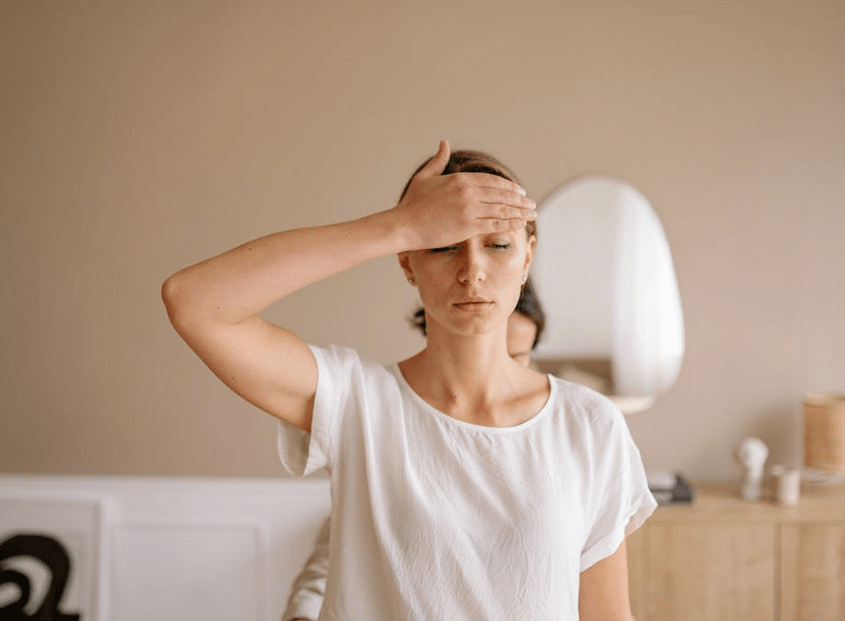
There is no single answer for every woman — but there is a well-established framework that works for mostThink of it as restoring the foundations your hormones need to function well.
1 Get tested — properly
Ask for a full panel: estrogen, progesterone, testosterone, FSH, LH, thyroid (TSH, Free T3, Free T4), cortisol, and fasting insulinMany standard panels miss key markersA functional medicine doctor or integrative gynecologist is often better equipped to interpret nuance.
2 Prioritize sleep as medicine
Hormonal repair happens during deep sleepIf sleep is disrupted, everything else is harderAddress this first — magnesium glycinate, consistent bedtime, cool dark rooms, and limiting screens 90 minutes before bed are evidence-based starting points.
3 Rethink your relationship with stress
Chronic stress elevates cortisol, which suppresses progesterone and disrupts thyroid functionThis isn’t about eliminating stress — it’s about building recovery practices: breathwork, walking in nature, boundaries around work, and moments of genuine rest.
4 Strength training over cardio
Resistance training is one of the most powerful tools for hormonal health after 40It improves insulin sensitivity, supports bone density, maintains muscle mass, and boosts moodTwo to three sessions per week is enough to create meaningful change.
5 Nutrition: focus on what you add
Cruciferous vegetables support estrogen metabolismHealthy fats (avocado, olive oil, wild salmon) provide the raw materials for hormone productionFiber helps clear excess estrogenProtein at every meal stabilizes blood sugar and supports muscleStart with addition, not restriction.
6 Consider evidence-based support
Depending on your test results, options range from lifestyle-only approaches to bioidentical hormone therapy, herbal support (ashwagandha for cortisol, vitex for progesterone balance), or targeted supplementationWork with a practitioner who treats the whole picture, not just isolated numbers.
Ready to take the next step?
Knowledge is the bridge between confusion and clarityIf these symptoms feel familiar, consider tracking them for two weeks — sleep, mood, energy, cycle patterns — before your next doctor’s visitHaving a clear picture makes all the difference.
⑥ The Vision: A Different Kind of 40s
There is a story many women carry about what life after 40 is supposed to feel like: slower, harder, less vibrantThis story is not true — but it becomes a self-fulfilling prophecy when symptoms go unaddressed and explanations go unsought.
The women who thrive in their 40s, 50s, and beyond are not the ones who suffer quietlyThey are the ones who get curiousWho ask better questionsWho refuse to accept exhaustion and brain fog as their permanent baselineWho find practitioners and communities that take their experience seriously.
Hormonal balance is not about returning to who you were at 25It’s about feeling like yourself — clear, energized, emotionally regulated, presentThat version of you is not lostShe may simply be waiting for the right support.
Your 40s can be a decade of profound self-knowledgeWhen you understand what your hormones are doing and why, you stop fighting your body and start working with itThat shift — from confusion to clarity, from surviving to genuinely living — is available to you.
Sarah found itThousands of women find it every year, often after years of wondering why nobody told them sooner.
Consider this your invitation to start.
You deserve to feel well — not just “okay”
If this resonated with you, share it with a woman in your life who’s been quietly wondering if something is offSometimes the most powerful thing we can offer each other is the words that finally make sense of what we’re feeling.
You might like :
- Why So Many Adults Feel Burned Out — And What to Do About It
- Hormones and Weight Gain: What Nobody Explains (And How to Finally Fix It After 40)
- Midlife Reset: When Your Old Life No Longer Fits — And What to Do Next
- Starting Over at 40 Doesn’t Mean You Failed
- How Hormones Affect Weight Loss After 40 — And Why You’re Not Imagining It
- The Midlife Reset Guide: Reinvent Yourself After 40 Without Starting From Zero